Skip to content

Libraries

Enter a word or phrase to perform a general search across all records in the Library catalog. You can also browse records in the catalog without performing a search.

Search Tips
  • Searches are not case sensitive.
  • Searching for multiple words connects them with OR by default. Matching records can contain any of the words.
  • Connect multiple words with AND if you only want to see records containing both words.
  • Use quotation marks to search for a phrase.
  • Place an asterisk (*) at the end of a word as a wildcard.

6398 results found. Records searched: 6398

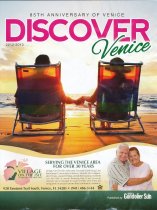
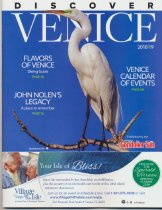
  1. 2013.04.04 Discover Venice magazine
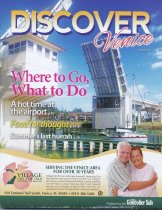
  2. Discover Venice 2013-2014
  3. 2019.65.05
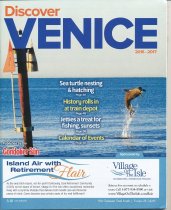
  4. Discover Venice 2016-2017
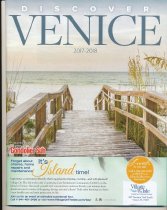
  5. Discover Venice 2017-2018
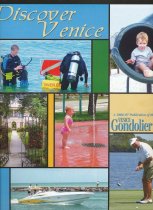
  6. Supplement to Gondolier, Discover Venice
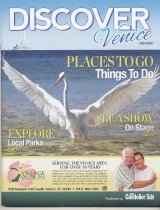
  7. Discover Venice, 2014-2015
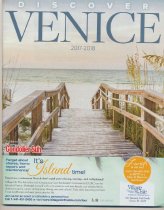
  8. Discover Venice, 2017-2018
  9. Discover Venice
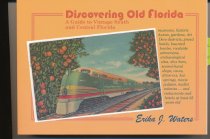
  10. Discovering Old Florida
  11. 2021.00.47
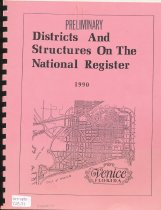
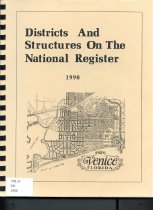
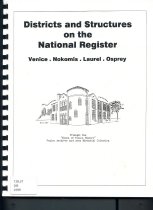
  12. 1990 Districts
  13. 1999 districts
  14. 2023.15.11
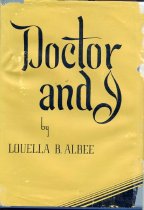
  15. Doctor and I - Mrs. Albee wrote this book about the life she shared with Dr. Fred H. Albee at the request of family and friends. The stories that unfold go hand in hand with, "A Surgeon's Fight to Rebuild Men," the book which Dr. Albee himself published several years prior. Her book, however, is certainly less technical and more within the context of a life history. This book was published in 1951, just a few years after the doctor's death. The Albee Family is traced briefly within the first chapter. She relates stories from the doctor's childhood as related by her Mother In-law. She mentions, as is stated in Dr. Albee's book, how the experience of tree-grafting with his Grandfather Houdlette greatly affected his later choice of specialties in Medical School. Their early years in Colonia, N.J. at their beloved first home are described in some detail. Mrs. Albee devotes an entire chapter to the Venice-Nokomis area of Florida's west coast. She notes how the mullet (a fish) could be seen in large schools right in front of their home on Dona Bay--they were jumping, often 5 to 6 feet out of the water. If one were lucky, a mullet would jump right into your boat! The author goes on to describe the abundance of flowers, plants, and of course, the palm trees found in this area. Mrs. Albee tells how she and doctor came to discover this part of Florida. A man known as Uncle Wade to the family, had contracted a persistent respiratory affliction and secured a leave of absence from his work in order to search for a better climate. Mr. Wade Nash was a locomotive engineer. He first went to Sarasota, on the west coast of Florida, and then he found a beautiful spot on Phillippi Creek, just south of the city. It was here that a "Maine Colony" was established. The Nash's raved so much to their northern friends about Florida, that many of those friends were convinced to travel down in February to see for themselves. The contrast between Maine and Florida in February is self evident. Beautiful flowers, orange trees laden with fruit, and of course--the fishing, easily swayed folks; this was the place to spend the winter. The Albee's were part of that group. After the first night at the "Maine Colony," Dr. Albee was sold on the idea of Florida. They stayed only eight days, but before they returned to the north, they had purchased the entire Village of Nokomis. The next real estate venture was the purchase of Bay Point, a peninsular on the north shore of Dona Bay.. Another man had an option on it for some seventeen days. Nevertheless, the doctor made a deposit on it in the hopes that the option would not be taken. The option time elapsed and the Albees were amazed to receive a telegram, saying, "If you want the City of Venice, you can have it at the same price as Bay Point." They thought about that for a few days and decided to buy Venice. Three days after that another telegram arrived telling them they could also purchase Bay Point. All of these real estate purchases were a strain on their budget, but the doctor's dream was coming true. In Nokomis they found nothing but palmetto, cabbage palms and pine trees. The remains of an old stockade were there, along with the well associated with the stockade. That well later serviced their "Pollyanna Inn," which was their first venture in building. That Inn was later sold to Mr. Daniel Cardinal who re-named it: "Cardinal's Hotel--Villa Nokomis." To buy provisions they needed to drive eighteen miles. That took a long time! Most of the forty families living in this area used their boats to make the trip to Sarasota. The Albees engaged Mr. John Nolen of Cambridge, a famous city planner, to plan the layout of the Town of Venice. The Albees held the Venice property for four months. They had eight good offers, but decided the Brotherhood of Locomotive Engineers would be the best, for that organization had the where with all to back such a plan and really develop the City of Venice in a suitable manner. After the depression, the Brotherhood failed financially, and much of the city along with the plans and ideas for development fell back on the shoulders of the Albees. After the Albees sold Venice to the BLE, they began developing Nokomis and Bay Point. The author does not specify exactly what was built except their residence, "Point 'O Palms." The Albees probably were responsible for cutting through several roads in Nokomis itself. Nolan made a wonderful plan for Bay Point. The Albees donated the land for the Methodist Church (Dr. Albee's faith) which is located there. The original church building was near what is today called the Jesse Knight Memorial Cemetery. That first church was demolished by the hurricane of 1926. Only the bell survived. A second church was erected in 1927 on the Bay Point property. Dr. Albee felt Venice was a perfect place for a hospital; the climate was ideal for the convalescence of patients. Other area hospitals were hours away from the Venice area.There was the Halton Hospital in Sarasota, eighteen miles north of Nokomis. Tampa, which is seventy miles north of Nokomis, had the nearest large hospital. Dr. Albee saw his opportunity when, after the depression, The Park View Hotel was offered to him at a reasonable price. He purchased it and next had the hotel retro-fitted into a first class hospital--the Florida Medical Center. Patients began to come for operations and treatment from all over. The doctor documents this in his book. In April, 1942 The United States Army took over the Medical Center for an Army Hospital. After the war, the army turned the hospital back over to Mrs. Albee, she sold it. It again became a hotel, "The Gulfbreeze." The Albee's life is very much a part of the Venice-Nokomis area's history. This book helps us understand a part of that.

    Book

    Record Type: Library

    2011.09.06 Doctor and I   - 1
  16. Doctor and I - Mrs. Albee wrote this book about the life she shared with Dr. Fred H. Albee at the request of family and friends. The stories that unfold go hand in hand with, "A Surgeon's Fight to Rebuild Men," the book which Dr. Albee himself published several years prior. Her book, however, is certainly less technical and more within the context of a life history. This book was published in 1951, just a few years after the doctor's death. The Albee Family is traced briefly within the first chapter. She relates stories from the doctor's childhood as related by her Mother In-law. She mentions, as is stated in Dr. Albee's book, how the experience of tree-grafting with his Grandfather Houdlette greatly affected his later choice of specialties in Medical School. Their early years in Colonia, N.J. at their beloved first home are described in some detail. Mrs. Albee devotes an entire chapter to the Venice-Nokomis area of Florida's west coast. She notes how the mullet (a fish) could be seen in large schools right in front of their home on Dona Bay--they were jumping, often 5 to 6 feet out of the water. If one were lucky, a mullet would jump right into your boat! The author goes on to describe the abundance of flowers, plants, and of course, the palm trees found in this area. Mrs. Albee tells how she and doctor came to discover this part of Florida. A man known as Uncle Wade to the family, had contracted a persistent respiratory affliction and secured a leave of absence from his work in order to search for a better climate. Mr. Wade Nash was a locomotive engineer. He first went to Sarasota, on the west coast of Florida, and then he found a beautiful spot on Phillippi Creek, just south of the city. It was here that a "Maine Colony" was established. The Nash's raved so much to their northern friends about Florida, that many of those friends were convinced to travel down in February to see for themselves. The contrast between Maine and Florida in February is self evident. Beautiful flowers, orange trees laden with fruit, and of course--the fishing, easily swayed folks; this was the place to spend the winter. The Albee's were part of that group. After the first night at the "Maine Colony," Dr. Albee was sold on the idea of Florida. They stayed only eight days, but before they returned to the north, they had purchased the entire Village of Nokomis. The next real estate venture was the purchase of Bay Point, a peninsular on the north shore of Dona Bay. Another man had an option on it for some seventeen days. Nevertheless, the doctor made a deposit on it in the hopes that the option would not be taken. The option time elapsed and the Albees were amazed to receive a telegram, saying, "If you want the City of Venice, you can have it at the same price as Bay Point." They thought about that for a few days and decided to buy Venice. Three days after that another telegram arrived telling them they could also purchase Bay Point. All of these real estate purchases were a strain on their budget, but the doctor's dream was coming true. In Nokomis they found nothing but palmetto, cabbage palms and pine trees. The remains of an old stockade were there, along with the well associated with the stockade. That well later serviced their "Pollyanna Inn," which was their first venture in building. That Inn was later sold to Mr. Daniel Cardinal who re-named it: "Cardinal's Hotel--Villa Nokomis." To buy provisions they needed to drive eighteen miles. That took a long time! Most of the forty families living in this area used their boats to make the trip to Sarasota. The Albees engaged Mr. John Nolen of Cambridge, a famous city planner, to plan the layout of the Town of Venice. The Albees held the Venice property for four months. They had eight good offers, but decided the Brotherhood of Locomotive Engineers would be the best, for that organization had the where with all to back such a plan and really develop the City of Venice in a suitable manner. After the depression, the Brotherhood failed financially, and much of the city along with the plans and ideas for development fell back on the shoulders of the Albees. After the Albees sold Venice to the BLE, they began developing Nokomis and Bay Point. The author does not specify exactly what was built except their residence, "Point 'O Palms." The Albees probably were responsible for cutting through several roads in Nokomis itself. Nolan made a wonderful plan for Bay Point. The Albees donated the land for the Methodist Church (Dr. Albee's faith) which is located there. The original church building was near what is today called the Jesse Knight Memorial Cemetery. That first church was demolished by the hurricane of 1926. Only the bell survived. A second church was erected in 1927 on the Bay Point property. Dr. Albee felt Venice was a perfect place for a hospital; the climate was ideal for the convalescence of patients. Other area hospitals were hours away from the Venice area.There was the Halton Hospital in Sarasota, eighteen miles north of Nokomis. Tampa, which is seventy miles north of Nokomis, had the nearest large hospital. Dr. Albee saw his opportunity when, after the depression, The Park View Hotel was offered to him at a reasonable price. He purchased it and next had the hotel retro-fitted into a first class hospital--the Florida Medical Center. Patients began to come for operations and treatment from all over. The doctor documents this in his book. In April, 1942 The United States Army took over the Medical Center for an Army Hospital. After the war, the army turned the hospital back over to Mrs. Albee, she sold it. It again became a hotel, "The Gulfbreeze." The Albee's life is very much a part of the Venice-Nokomis area's history. This book helps us understand a part of that.

    Book

    Record Type: Library

    Doctor and I

Thank You!

Confirmation Message Here....